


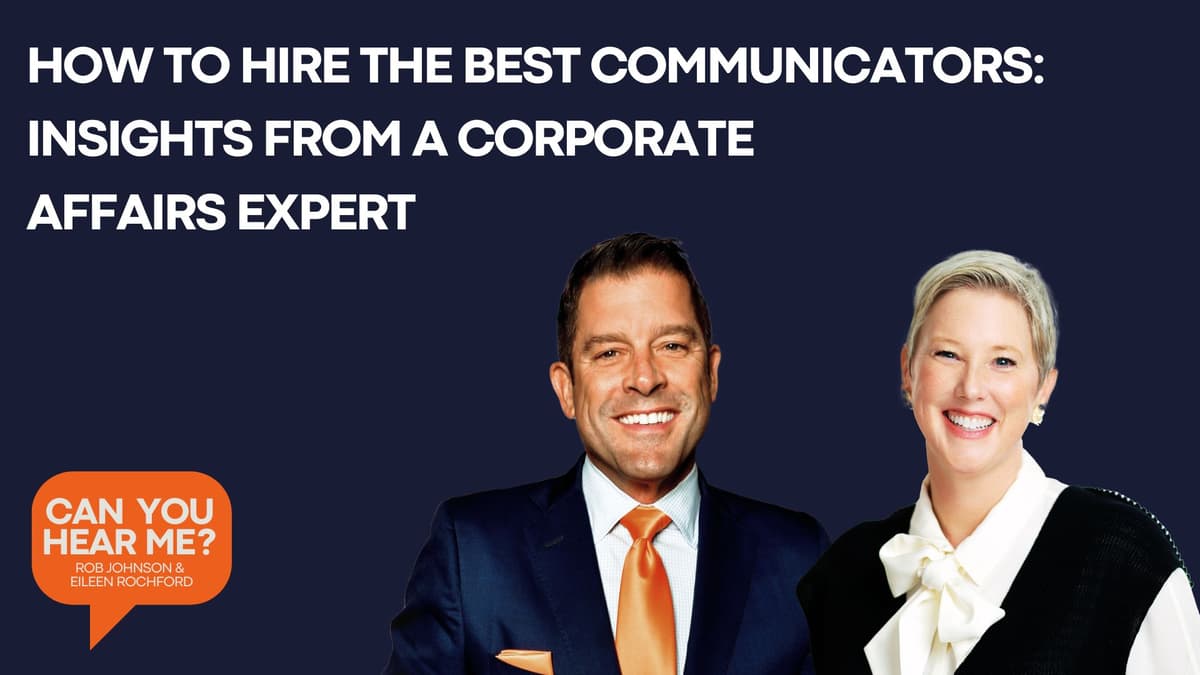
Hiring effective communicators is a critical investment for any organization, especially as reputational stakes grow higher and talent competition intensifies. Drawing from the “Can You Hear Me?” episode featuring executive search expert Jessica Bayer, this post unpacks the essentials for identifying and recruiting standout communication pros.
1. Defining Top-Tier Communication Talent
Successful recruitment begins by understanding what makes a communicator not just good, but great. Modern organizations value candidates who can translate complex ideas into compelling stories, adapt messaging for multiple audiences, and handle crises with clarity and empathy. Jessica Bayer highlights that these skills are more critical now than ever, particularly for senior roles driving corporate reputation.
In practical terms, this means looking beyond traditional resumes. Leaders should focus on behavioral interviewing, portfolio reviews, and real-time problem-solving scenarios to evaluate true communicative aptitude. By probing for examples of stakeholder engagement and conflict navigation, organizations can spot candidates who thrive under pressure and “think on their feet.”
2. Building a Talent Pipeline Across Disciplines
One major takeaway from the podcast is the value of a broad, cross-industry talent pipeline. Jessica points out that top communicators increasingly come from diverse sectors, including healthcare, tech, finance, and public affairs. This diversity strengthens internal teams and brings new insights to executive decision-making.
Establishing these pipelines means nurturing relationships long before a job is posted. Companies can build robust networks through alumni groups, professional associations, and even by participating in industry podcasts. This proactive approach ensures organizations aren’t scrambling to fill roles reactively, but instead draw from a pool of trusted, pre-vetted talent.
3. Future-Proofing Communication Hires
The communication landscape evolves rapidly, requiring forward-thinking hires adept at digital, multicultural, and generative AI-driven storytelling. Jessica Bayer stresses the need for adaptability: those who excel at channel mix optimization, thought leadership, and emerging media formats will be best positioned to lead into the future.
Future-proof hiring also depends on investing in professional development and offering creative freedom within the role. Organizations that empower their communicators to experiment with new technologies and storytelling techniques build teams that innovate, remain relevant, and champion continuous learning.
Conclusion
Hiring the best communicators means seeing beyond credentials — it’s about finding adaptable, empathetic, and future-focused leaders. Drawing on expert perspectives from “Can You Hear Me?”, investing in pipeline development and ongoing learning is key for organizations intent on thriving in a dynamic media environment.