
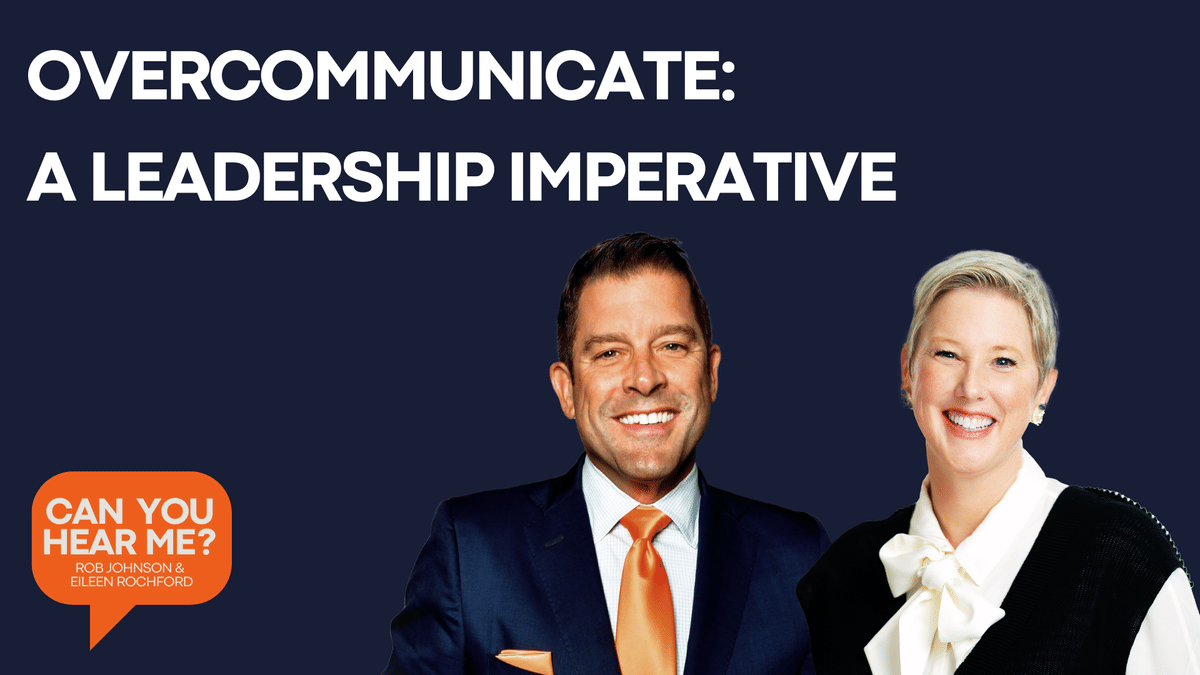
Overcommunication isn’t about bombarding teams with information; it’s the anchor of resilient, high-performing organizations. Inspired by Rob Johnson’s new book and podcast insights, this blog explores why overcommunication matters for modern leaders.
1. Alignment Through Transparency
When leaders proactively share goals, obstacles, and changes, teams move faster and experience less friction. Rob Johnson argues that transparency builds trust, reduces confusion, and empowers employees to act decisively. This consistency prevents rumors and cultivates a sense of safety.
The podcast episode illuminates how leaders who “overcommunicate” see fewer disconnects between strategy and execution. By clarifying expectations, they help everyone understand where their efforts fit into the larger mission, leading to greater engagement and accountability.
2. Reducing Stress and Preventing Micromanagement
Employees often cite lack of context as a source of frustration and missed deadlines. Overcommunication — when done correctly — shifts the burden off the individual to guess what’s important. Johnson’s insights emphasize how this approach encourages autonomy, as teams stay informed and can anticipate leaders’ needs.
The distinction here is between quantity and quality. Overcommunication isn’t a barrage of emails, but rather well-timed, multi-channel updates that answer “what, why, and how.” Leaders using this principle are better equipped to spot knowledge gaps and offer support before small miscommunications become big performance issues.
3. Building a Culture of Learning and Adaptability
Organizations that encourage open dialogue and repeated messaging are more resilient to change. Overcommunication destigmatizes questions and feedback, making employees feel safer to raise concerns and propose solutions. Johnson urges leaders to model this by being visible, accessible, and candid during both good and tough times.
Moreover, regular communication provides scaffolding for learning. When priorities shift — whether due to market changes or crises — teams who are used to receiving frequent updates adjust rapidly and maintain forward momentum. This agility is a hallmark of top-performing workplaces.
Start Overcommunicating
Overcommunication isn’t a sign of insecurity; it’s a sign of strong, people-first leadership. Drawing from Rob Johnson’s “Can You Hear Me?” insights, adopting this philosophy paves the way for trust, innovation, and enduring team success.